Camping Trailer Parked Near a Forest Review
As a designer who spends more time at the hoop than away from it, I approach every new machine embroidery design with a critical eye. It is not just about whether the image looks cute on a screen; it is about how those digital vectors translate into thread, tension, and texture on actual fabric. When I first loaded the Camping Trailed Parked Near a Forest file onto my workstation, I was looking for more than just a pretty picture of the outdoors. I was evaluating its potential as a viable asset for my craft business and whether it could hold up under the scrutiny of a paying customer.
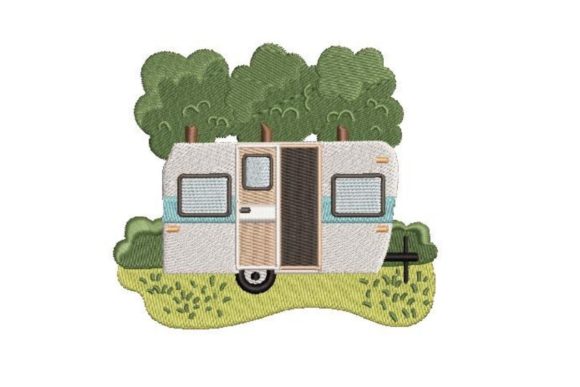
The initial impression of this design is one of serene nostalgia. The layout captures that specific quiet moment when the engine is off, and you are settled in for the night surrounded by nature. For an embroidery project intended for jackets, bags, or camping equipment, this mood is essential. The composition feels balanced, avoiding the clutter that often plagues scenic designs. In my experience, a design that tries to do too much usually results in a muddy finished product, but this scene seems to respect the limitations of the needle while maximizing visual impact.
Visual Personality and Stitch Execution
The strength of Camping Trailed Parked Near a Forest lies in its ability to suggest detail without over-stitching. A common pitfall in landscape embroidery files is the attempt to render every leaf and branch with dense fill stitch, which can make the design stiff and prone to puckering. From what I can observe in the preview, this design likely utilizes a smart mix of satin stitch for defined edges—perhaps on the trailer itself—and lighter fill or running stitch techniques for the surrounding forest elements. This approach is crucial for maintaining the drape of the fabric, especially if you are applying this to a soft sweatshirt or a flexible tote bag.
The theme naturally leans towards the "van life" and outdoor enthusiast market, which is currently booming among Etsy sellers and boutique owners. The visual personality is rugged yet inviting. It speaks to customers who value experiences over possessions. When stitched correctly, the contrast between the mechanical lines of the trailer and the organic shapes of the trees creates a compelling focal point. This kind of visual storytelling increases the perceived value of a handmade product, turning a simple garment into a statement piece that resonates with the buyer's lifestyle.
Real-World Application: The Custom Tote Scenario
To truly test the viability of this design, I imagined a specific real-life scenario: creating a limited run of canvas tote bags for a local outdoor gear shop. Canvas is a fantastic medium for this type of imagery because it can support a moderate stitch density without distorting. Picture a natural beige or olive green bag, where the Camping Trailed Parked Near a Forest design is stitched in earthy tones—forest greens, slate grays, and perhaps a pop of rust or mustard for the trailer accents.
In this context, the design serves as excellent branding. It is not just decoration; it signals a shared identity between the shop and its customers. If I were producing these for a client, I would be confident that the recipient would view this as a high-quality personalized gift or a premium shop merchandise item. The clarity of the shapes ensures that even from a distance, the subject matter is instantly recognizable. For an Etsy seller listing custom apparel or accessories, this level of recognition is vital for stopping the scroll and generating engagement.
Beyond totes, this design translates well to sweatshirt embroidery. Imagine a heather grey crewneck with the scene placed slightly off-center on the chest or larger on the back. The relaxed vibe of the image complements the casual nature of the garment. It also works beautifully as an embroidered patch. If you have the capability to create patches, isolating this scene on a twill background with a merrowed edge would create a durable accessory that campers could iron onto their existing gear, extending the life and utility of the design assets.
Navigating Technical Challenges
However, no design is without its challenges, and a professional review must address where caution is needed. While Camping Trailed Parked Near a Forest appears robust, the intricacy of the tree line requires careful attention to fabric texture and stabilizer choice. If you attempt to stitch this on a thin, stretchy fabric like a lightweight t-shirt without adequate backing, you risk distortion. The fine details of the forest could pull together, losing the definition that makes the scene work.
Furthermore, consider the hoop size required. Scenic designs often need a larger field to breathe. If you are restricted to a small hoop, you may need to check if the design comes in multiple sizes or if resizing it will compromise the stitch density. Shrinking a detailed scene too much can turn delicate branches into a solid blob of thread. Similarly, placing this on curved surfaces like caps requires a digitizing style that accounts for the curvature; if the original file was not optimized for hats, the registration might shift, causing the trailer to look like it is sliding off the hill.
Color selection is another critical factor. On dark fabrics, you must ensure the thread colors provide enough contrast. A dark green forest against a black jacket will vanish. You may need to adjust the palette, perhaps lightening the tree tones or adding a subtle outline to ensure the custom apparel remains legible. Always test your thread choices on scrap fabric first. What looks vibrant on your monitor might appear dull once stitched, especially under different lighting conditions at a craft fair.
Commercial Viability and Professional Standards
For those running a craft business, the consistency of the finished product is what builds trust. If you sell ten items featuring Camping Trailed Parked Near a Forest, they all need to look identical in quality. This design seems suitable for batch production, provided you dial in your machine settings. The use of standard stitches suggests it should run reliably on most home and commercial machines, but verifying the file format compatibility is a non-negotiable step before promising delivery dates to clients.
From a marketing perspective, this design offers excellent opportunities for printable mockups. The clear silhouette allows for easy digital compositing, helping you showcase how the design looks on various products before you even stitch a single thread. This is invaluable for pre-selling items or building a portfolio. Whether used for holiday embroidery gifts for the outdoorsy family member or as part of a broader collection of nature-themed small shop products, the versatility here is high.
Ultimately, the decision to use this design comes down to your specific application. It is a strong contender for anyone looking to capture the spirit of adventure in thread. However, remember to check the licensing terms associated with the digital embroidery file. Some designers allow unlimited sales of finished physical goods, while others restrict the number of items or prohibit use in certain commercial contexts. Ensuring you are compliant protects your business reputation.
In conclusion, Camping Trailed Parked Near a Forest is a thoughtful addition to a designer's library. It balances aesthetic appeal with practical stitch construction, making it a reliable choice for creating meaningful, high-value items. By respecting the technical requirements of the fabric and the machine, you can transform this digital file into a tangible piece of art that customers will cherish on their next trip into the woods.