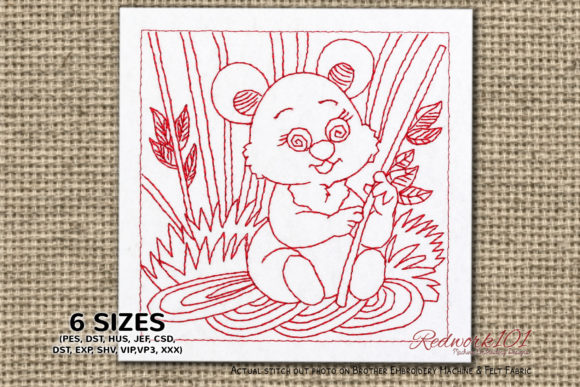
Cute Panda: A Designer's Review for Branded Merch
As an embroidery designer who spends most of my day digitizing and stitching for small business clients, I am always on the lookout for design assets that bridge the gap between playful charm and professional utility. When I first pulled up the Cute Panda machine embroidery design from the Woodland Animals category, my initial reaction was one of immediate warmth. In the world of commercial embroidery, where we often deal with stiff corporate logos or complex geometric patterns, finding a design that exudes genuine friendliness without sacrificing stitch quality is a rare find. This review breaks down how this specific embroidery file performs when moved from a digital preview to real-world branded merchandise.
First Impressions and Visual Personality
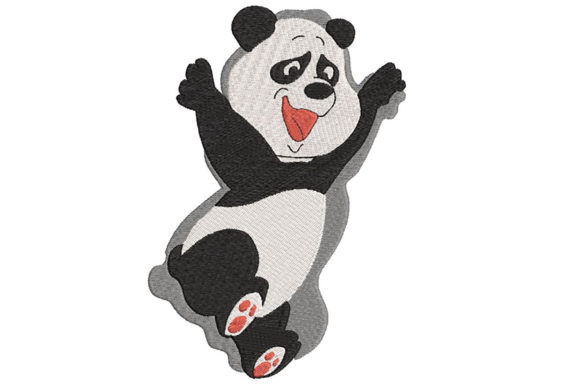
The visual personality of Cute Panda is undeniably approachable. Based on the description stating it is "fun and easy to stitch on any fabric," the design leans heavily into a handmade product aesthetic rather than a rigid, industrial look. For boutique owners, Etsy sellers, and creative studios, this is a significant advantage. The design feels organic, making it perfect for brands that want to project a sense of care and whimsy. Whether you are running a local bakery, a florist shop, or a pet brand, the imagery instantly lowers the barrier between the business and the customer. It does not scream "corporate"; instead, it whispers "welcome." However, as a professional, I look beyond the cuteness to evaluate its potential as a serious brand identity tool. The simplicity suggested by the "easy to stitch" claim often translates to cleaner lines and fewer jump stitches, which is crucial for durability in high-traffic items like staff uniforms.
Real-World Applications for Small Business Merch
The true test of any digital embroidery file is its versatility across different substrates. Here is how Cute Panda holds up in various commercial embroidery scenarios:
- Embroidered Patches: This is arguably the strongest use case. A panda motif works exceptionally well as a woven or embroidered patch sewn onto tote bags or denim jackets. The rounded shapes typical of panda designs usually translate well to patch borders, creating a finished product that feels premium yet playful.
- Staff Uniforms and Aprons: For a café or a children's activity center, placing this design on an apron embroidery layout adds a touch of personality to the staff. It humanizes the team, making them appear more accessible to families and young customers.
- Cap Embroidery: While cap fronts can be tricky due to curvature, a simplified panda face can serve as an excellent chest logo accent or a side-panel detail on baseball caps. It offers a subtle nod to the brand without overwhelming the limited space.
- Tote Bag Design: Canvas totes are a staple for handmade brands. The contrast of black and white thread against natural canvas creates a striking visual that encourages customers to carry your branding out into the world.
- Customer Gifts and Event Merch: For pop-up shops or craft fairs, having pre-stitched patches or small items featuring Cute Panda can serve as an incredible value-add or a low-cost entry item for new customers.
Navigating Technical Challenges
While the design promises ease of use, a professional reviewer must address where caution is required. The description notes it is suitable for children and adults, implying a universal appeal, but technical execution varies by application. When scaling Cute Panda down for small patch sizes or tiny lettering accompaniments, one must be wary of stitch density. If the design relies on fine details to define the panda's features, reducing the size too much could cause the threads to merge, resulting in a muddy blob rather than a recognizable animal.
Furthermore, curved surfaces like cap fronts require careful hooping and stabilizer selection. A design that looks flat and perfect on a towel might pucker on a structured hat if the stitch count is too high for the fabric tension. Similarly, when applying this to textured fabrics like heavy fleece or rough canvas, the "easy to stitch" nature must be verified. High stitch density on thick textures can lead to needle deflection or thread breakage. For dark uniforms, ensure the thread colors provide sufficient contrast; a panda is naturally high-contrast, but if the design includes subtle shading, those details might get lost on black navy blue garments.
Impact on Brand Identity and Customer Trust
In the current market, consumers crave authenticity. Using a character-driven design like Cute Panda can significantly enhance buyer engagement. It signals that a business does not take itself too seriously and values joy. For a handmade product line, this alignment is critical. It reinforces the narrative of a creator who puts love into their work. However, consistency is key. If your brand identity is strictly minimalist and luxury-focused, a cute woodland animal might clash. But for businesses in the education, childcare, pet care, or artisanal food sectors, this design builds trust by appearing friendly and safe. It transforms a standard uniform or bag into a conversation starter, increasing the perceived value of the finished product.
Practical Notes for the Professional Stitcher
Before committing to a large production run of custom apparel or merchandise featuring Cute Panda, I recommend the following workflow to ensure quality control:
- Test in Black and White First: Strip the design down to basic thread colors to check the structural integrity of the stitching without the distraction of color blending.
- Verify Hoop Size: The description mentions it comes with multiple options (implied by "mul"), but always confirm the maximum hoop size required to ensure it fits your machine's capabilities.
- Check Stabilizer Compatibility: Different fabrics react differently. Test the design on the actual fabric texture you intend to use, paired with the appropriate stabilizer to prevent puckering.
- Create a Printable Mockup: Before stitching, place the design asset into a printable mockup to show the client how it will look on the final garment. This manages expectations regarding scale and placement.
- Review Commercial Licensing: Since this is for small business merch, explicitly confirm the license terms of the embroidery file. Ensure you have the rights to use the design for commercial embroidery projects and resale.
- Inspect Spacing and Density: Zoom in on the digital file to ensure there are no overly dense areas that could cause thread buildup, especially if stitching on stretchy fabrics.
In conclusion, Cute Panda stands out as a versatile asset for the right type of business. It balances the need for professional durability with the desire for playful aesthetics. While it may not suit every corporate environment, for the vast ecosystem of small business owners, crafters, and boutique operators, it offers a charming way to elevate their brand presence. Just remember to validate the technical specifics—such as exact stitch count and file formats—which were not fully detailed in the brief description, before hitting start on your machine. With proper testing, this design can become a cornerstone of a delightful and memorable merchandise collection.