Coffee Gnome: A Designer's Review for Real Projects
As someone who spends hours hunched over embroidery hoops and digitizing screens, I approach every new machine embroidery design with a critical eye. It is not enough for a file to look cute on a screen; it must survive the tension of the hoop, the texture of the fabric, and the scrutiny of a paying customer. Recently, I took a close look at the Coffee Gnome design to see if it holds up for serious craft business use. This isn't just a digital preview; this is an evaluation of how the design performs when thread meets fabric in the real world.
First Impressions and Visual Personality
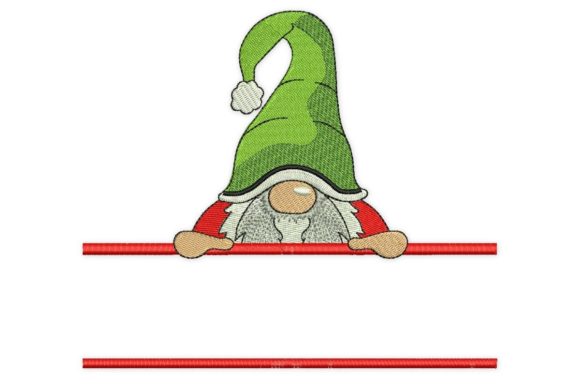
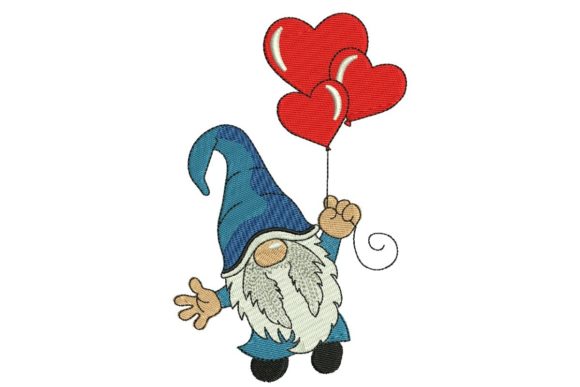
The moment I loaded the embroidery file for Coffee Gnome, the mood was immediately clear. It strikes a perfect balance between whimsical and cozy. The character design feels approachable, likely appealing to coffee lovers and those who enjoy cottage-core aesthetics. For a designer, the layout is promising. It doesn't appear overly cluttered, which suggests that the stitch paths are logical. A clean layout is crucial because it minimizes thread breaks and ensures the final image remains crisp.
The theme naturally leans toward kitchen decor or casual apparel. When I imagine the finished product, I see warm earth tones—browns, creams, and perhaps a pop of green or red for the gnome's hat. The visual personality of Coffee Gnome is friendly without being childish, making it versatile enough for adult apparel as well as nursery decor. It has that specific charm that stops a browser from scrolling past an Etsy seller's listing.
Real-World Application: The Tote Bag Test
To truly gauge the value of this design, I envisioned a specific project: a custom embroidered tote bag for a local coffee shop. This is a common request for small business owners and craft business operators. The Coffee Gnome fits this scenario perfectly. On a canvas tote, the design would serve as a central focal point. Because tote bags often carry heavy items, the fabric can distort. A well-digitized design needs to account for this pull.
If I were stitching this onto a sweatshirt for a personalized gift, the softness of the fleece would complement the gnome's cozy vibe. The design seems substantial enough to stand out on thick fabric but not so dense that it creates a stiff, cardboard-like patch on the garment. For sweatshirt embroidery, clarity is key. Customers want to recognize the subject instantly. Coffee Gnome appears to have strong silhouettes that would remain recognizable even from a distance, enhancing the perceived value of the finished product.
Ideal Use Cases for This Design
Based on the visual weight and theme, here is where Coffee Gnome would shine in a commercial or hobbyist setting:
- Kitchen Textiles: Tea towels and aprons are natural homes for this design. The "Tea" and coffee connection makes it a staple for home decorators.
- Casual Apparel: Perfect for t-shirts and hoodies where a fun, conversation-starting graphic is needed.
- Patches: The defined edges suggest it would translate well into an embroidered patch for hats or backpacks.
- Seasonal Gifts: An excellent choice for holiday embroidery projects, particularly for winter or morning-themed gift baskets.
- Boutique Branding: Small shops could use this as a logo accent or a signature mark on packaging and merchandise.
Technical Considerations and Fabric Challenges
While the design looks promising, a professional reviewer must address the potential pitfalls. Not every fabric plays nice with every file. If you are planning to stitch Coffee Gnome on stretchy fabric like a jersey knit t-shirt, you must be vigilant. Without the proper stabilizer, the satin stitches or fill areas could pucker, distorting the gnome's face or the coffee cup details.
Texture is another factor. On highly textured fabrics like looped towels or rough linen, fine details can get lost. If the design relies on tiny running stitch outlines or very small lettering, these might disappear into the fabric weave. I recommend testing the design on a scrap piece of your intended material first. This is non-negotiable for maintaining brand consistency and customer trust. A sloppy stitch job on a paid order can damage a reputation quickly.
Furthermore, consider the hoop size. If you are working with smaller items like baby clothes or cap fronts, ensure the design fits comfortably within your available hoop without needing excessive re-positioning, which can lead to alignment errors. For curved surfaces like caps, the density of the fill stitch areas needs to be manageable so the cap doesn't warp.
Enhancing Visual Appeal and Marketability
The true test of a design like Coffee Gnome is its ability to drive engagement. In the world of digital embroidery files and handmade goods, presentation is everything. This design has high "giftability." It evokes a feeling of warmth that encourages impulse buys. When used in printable mockups for online listings, the contrast between the gnome and a neutral background can create a striking image that boosts click-through rates.
For Etsy sellers and creative entrepreneurs, the clarity of the stitch work directly impacts the perceived quality of the item. Clean edges and smooth color transitions signal professionalism. If the thread colors are chosen wisely—perhaps using variegated threads for the coffee steam or the gnome's beard—the design can elevate a standard custom apparel item into a boutique-quality piece.
Practical Notes for the Embroiderer
Before committing to a production run or a client order involving Coffee Gnome, keep these practical steps in mind:
- Check the Specs: Since specific details like exact stitch count or supported formats weren't provided in the brief description, verify these in the product listing. Ensure your machine supports the file type.
- Test Contrast: Try stitching the design on both light and dark fabrics. You may need to adjust thread colors to ensure the gnome pops against a black hoodie versus a white apron.
- Review Density: Look closely at the stitch density. If areas look too solid, they might cause needle heat or fabric stiffness. Underlay stitches are critical here.
- Licensing Check: Always confirm the license terms. Can you sell the finished product? Are there restrictions on selling the design assets themselves? This is vital for commercial embroidery projects.
- Mockup Verification: Create a black-and-white mockup to check for detail loss. If the small features vanish in grayscale, they might get lost in low-contrast stitching scenarios.
In conclusion, Coffee Gnome appears to be a charming and versatile addition to any designer's library. Its strength lies in its relatable theme and adaptable nature. Whether you are creating a baby embroidery project for a shower gift or stocking inventory for a small shop product line, this design offers solid potential. However, its success ultimately depends on your execution. By respecting the technical requirements of fabric and stabilizer, and by testing thoroughly, you can ensure that every stitched gnome brings joy to its recipient and profit to your business.