Baby Elephant: A Designer's Review for Real Projects
As someone who spends hours staring at screens analyzing stitch paths and density maps, I approach every new machine embroidery design with a critical eye. It is not enough for a file to look cute in a thumbnail; it must perform under the needle. When I first opened the Baby Elephant file, my immediate reaction was one of relief. In a market saturated with overly complex or poorly digitized animal motifs, this design strikes a refreshing balance between charm and technical stability. It exudes a playful, gentle mood that feels perfectly suited for the nursery sector, yet it possesses the structural integrity required for commercial use.
First Impressions and Visual Personality
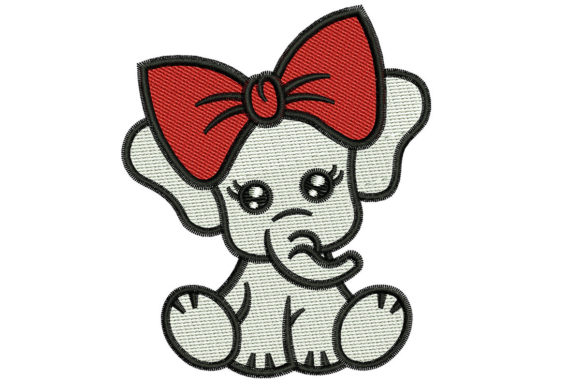
The visual personality of Baby Elephant is undeniably soft. The shape language relies on curves rather than sharp angles, which is crucial when working within the Baby Animals category. From a designer's perspective, the layout suggests a thoughtful approach to fill stitches. There are no unnecessary micro-details that would vanish on a textured fabric or cause bird-nesting during high-speed stitching. The silhouette is distinct, meaning it reads well even from a distance, a key factor for items like tote bags or pillow covers where the design serves as a focal point.
This isn't just a decorative element; it is a versatile asset. Whether you are an Etsy seller looking to expand your holiday embroidery collection or a hobbyist making a personalized gift for a friend's baby shower, the design's simplicity works in its favor. It avoids the "busy" look that often plagues smaller embroidery projects, ensuring that the final product looks professional rather than cluttered.
Real-World Application: The Custom Sweatshirt Scenario
To truly test the viability of this embroidery file, I mentally placed it onto a specific real-life scenario: a custom organic cotton sweatshirt for a boutique children's brand. This is a common request for small shop owners. The Baby Elephant design sits comfortably on the chest area without overwhelming the garment. Because the stitch density appears moderate, it prevents the heavy, stiff feeling that can make sweatshirts uncomfortable for kids to wear.
Imagine stitching this onto a heather grey fleece. The contrast would be subtle yet effective, allowing the texture of the fabric to complement the satin stitch outlines. For a handmade product intended for daily wear, this balance is vital. If the design were too dense, it would crack after multiple washes; if too sparse, the fabric would show through unattractively. Baby Elephant seems to hit the sweet spot, making it an excellent candidate for custom apparel that needs to survive the rigors of childhood play.
Ideal Surfaces and Product Fits
Beyond sweatshirts, this design shines in several other contexts:
- Tote Bag Design: The bold lines hold up well on canvas, making it perfect for library bags or diaper totes.
- Nursery Decor: Stitched onto a linen pillow cover, it adds a whimsical touch without looking childish.
- Embroidered Patch: With a proper satin stitch border, this could easily be turned into an iron-on patch for jackets.
- Tea Towels: A classic use case for kitchen linens, adding a playful accent to home goods.
The versatility extends to commercial embroidery projects as well. For brands focusing on eco-friendly or nature-themed merchandise, this elephant acts as a strong branding element. It conveys warmth and reliability, traits that enhance customer trust and buyer engagement.
Technical Considerations and Fabric Challenges
While Baby Elephant is robust, no design is universal. There are specific situations where caution is required. If you plan to stitch this on stretchy fabrics like jersey knits for baby embroidery projects, the choice of stabilizer becomes paramount. A cut-away stabilizer is likely necessary to prevent distortion over time, especially given the rounded shapes of the elephant's body which can pull if the fabric shifts.
Dark fabrics present another consideration. Since this is likely a light-colored or multi-colored design, you must check the thread color contrast. On a navy blue hoodie, ensure the digitizer has included a sufficient underlay or running stitch base to prevent the dark fabric from peeking through the fill areas. Similarly, be mindful of small hoop sizes. If you are attempting to place this on a cap or a curved surface, verify that the design fits within your available hoop space without compromising the edges.
Textured fabrics like terry cloth or thick wool blends can also obscure fine details. While Baby Elephant avoids tiny lettering or intricate corners, the definition of the trunk and ears might get lost on highly textured surfaces. In these cases, a test run on scrap fabric is non-negotiable.
Enhancing Value and Professionalism
The true value of a design like Baby Elephant lies in its ability to elevate the perceived quality of your finished product. For creative entrepreneurs, consistency is key to building a brand. Using a well-digitized file ensures that every item leaving your studio meets a high standard. This reliability fosters customer loyalty. When a client receives a blanket with crisp, clean stitching and no puckering, they associate that quality with your business.
Furthermore, the aesthetic appeal of this design translates well into digital marketing. When creating printable mockups for your online store, the clear lines of the elephant photograph beautifully. It helps potential customers visualize the finished product, increasing the likelihood of a sale. Whether used as a standalone motif or part of a larger set of design assets, it contributes to a cohesive and professional presentation.
Final Designer Notes and Best Practices
Before committing to a production run or listing a new item in your shop, adhere to these practical steps:
- Test First: Always stitch the design on a scrap piece of the actual fabric you intend to use. This reveals how the stitch density interacts with the material.
- Check Licensing: Confirm the license terms provided with the file. Ensure you are cleared for commercial use if you plan to sell items featuring Baby Elephant.
- Thread Selection: Experiment with different thread colors. While the default palette is likely cute, swapping to monochromatic threads can create a sophisticated, modern look for adult apparel.
- Stabilizer Match: Do not guess on stabilizers. Match the weight and type (cut-away vs. tear-away) to the fabric weight to ensure longevity.
- Mockup Verification: View the design in black and white on your screen to check for contrast issues before threading the machine.
In conclusion, Baby Elephant is a standout choice for anyone in the craft business looking for reliable, adorable imagery. It respects the limitations of the embroidery medium while maximizing visual impact. By understanding its strengths and respecting its technical requirements, you can create stunning personalized gifts and profitable merchandise that resonate with customers. It is a reminder that sometimes, the simplest designs are the most powerful tools in a maker's arsenal.