Unicorn Applique: A Designer's Review for Craft Fairs
As an experienced embroidery designer preparing for a busy weekend at the local artisan market, I spend a lot of time curating which machine embroidery design files will make the cut for my booth. It is not just about what looks cute on a screen; it is about what stops a customer in their tracks, what holds up under the scrutiny of a tactile inspection, and what can be produced efficiently in batches. Today, I am taking a close look at the Unicorn Applique from the Baby Animals category to see if it earns a spot on my display table alongside my best-selling tote bags, aprons, and home goods.
First Impressions and Market Appeal
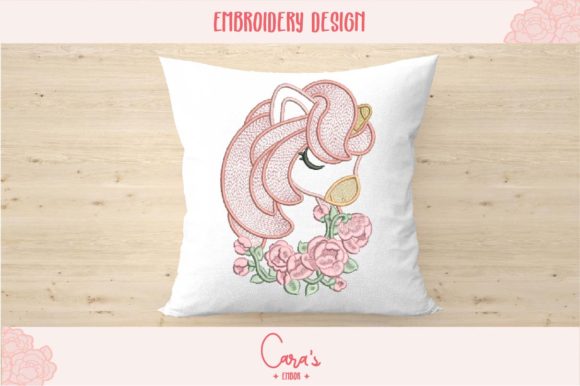
The moment I pulled up the preview for the Unicorn Applique, the vibe was immediately clear: this is a whimsical, soft, and highly decorative piece. In the current market, unicorn motifs straddle the line between trendy children's wear and nostalgic adult whimsy. For a craft fair setting, this duality is gold. The applique style suggests a premium feel compared to standard satin stitch fills because it introduces fabric texture and dimension. When customers walk by a booth, they are drawn to items that look handmade and substantial. This design feels bold enough to be a focal point but playful enough to fit the "cute" aesthetic that drives impulse buys in the small shop product sector.
For an Etsy seller or boutique maker, visual appeal is everything. This design photographs exceptionally well because the layers of fabric in an applique create natural shadows and depth, making printable mockup creation straightforward. Whether you are listing a finished garment or selling the digital embroidery file itself, the clarity of the shapes ensures that the product looks professional in online listings.
Strategic Product Placement for Maximum Sales
When setting up my craft fair table, placement is key. I evaluated where the Unicorn Applique would perform best among my inventory of handmade product options.
- Tote Bags and Market Bags: This is arguably the strongest contender. A large-scale version of the unicorn on a canvas tote creates an instant statement piece. The flat surface of a bag allows the applique edges to lie smoothly, ensuring the design remains crisp. It transforms a simple bag into a tote bag design that parents and teachers love.
- Aprons and Tea Towels: For kitchen linens, this design adds a touch of fun to otherwise utilitarian items. Apron embroidery sells well as gifts, and placing the unicorn on the bib or lower corner creates a balanced look. However, tea towel embroidery requires caution; the looped texture of waffle weave or flour sack towels can sometimes swallow small details, so testing is essential.
- Caps and Hats: While popular, curved surfaces present challenges. If the unicorn has wide horizontal elements, they may distort on a structured cap. It works better as a smaller accent on the side rather than a full-front centerpiece unless the hat has a very large crown.
- Patches and Pouches: Creating a standalone embroidered patch allows for versatile sales. Customers who don't want a whole new bag might buy a patch to customize their own gear. Similarly, small fabric pouches with this design make excellent low-cost add-on items at the checkout counter.
Production Realities and Technical Considerations
From a production standpoint, the Unicorn Applique requires a strategic approach to ensure consistency across multiple units. Applique designs generally involve multiple stops: one for the placement stitch, one for the tack-down, a trim phase, and finally the cover stitch. This means the stitch density and registration must be perfect, or the raw edges of the applique fabric will peek out, ruining the finished product quality.
Before running a batch for the fair, I always adhere to a strict testing protocol:
- Fabric Testing: Always test the design on scrap fabric identical to your final product. What works on cotton may pucker on a thick towel or slip on nylon.
- Thread Contrast: Review your thread colors against the base fabric. High contrast makes the unicorn pop, while tonal threads offer a subtle, elegant look. Ensure the outline thread color complements the applique fabric, not just the background.
- Stabilizer Selection: Applique adds weight. Using the wrong stabilizer can lead to sagging, especially on tote bags or pillow covers. A cut-away stabilizer is often safer for items that will be washed frequently.
- Hoop Size Verification: Confirm that the design fits within your available hoop size. If the unicorn is large, you may need a jumbo hoop, which limits the types of products you can embroider, such as narrow straps or small pockets.
Navigating Potential Pitfalls
While the Unicorn Applique is charming, there are specific areas where things can go wrong if not managed carefully. Dense stitch areas around the eyes or horn can become stiff and uncomfortable if placed on baby clothing or areas that touch the skin. Tiny details, such as small eyelashes or intricate mane strands, may lose clarity if the design is resized too small. If you intend to shrink this for a pocket logo or a small pouch, verify that the fabric texture does not obscure these fine lines.
Furthermore, working with dark fabric requires careful planning. If the applique fabric is light and the background is black, ensure the tack-down stitches are dense enough to prevent the dark background from showing through gaps in the applique material. Conversely, if the design includes small lettering or dates, ensure they are legible at the intended size; otherwise, they should be omitted to maintain the clean look of the graphic.
Building Brand Consistency and Value
Incorporating the Unicorn Applique into your lineup does more than just add a cute item; it strengthens your brand identity as a creator of high-quality, thoughtful goods. When customers see consistent stitching, neat applique edges, and thoughtful product pairings, they perceive higher value. This allows you to price your craft fair product offerings more competitively against mass-produced goods.
For those considering selling the file itself as part of their design assets, remember that the product description explicitly states this is a digital file requiring an embroidery machine. It is vital to communicate clearly that this is not a physical patch. Clear communication builds trust with fellow commercial embroidery professionals and hobbyists alike.
Final Verdict for the Weekend Booth
After reviewing the practicalities, the Unicorn Applique earns a definitive "yes" for my upcoming craft fair. Its versatility across tote bags, aprons, and patches makes it a workhorse design that appeals to a broad demographic. However, success lies in the execution. By respecting the technical requirements of applique work—choosing the right stabilizer, testing on actual fabrics, and ensuring the hoop size accommodates the design without distortion—this motif can become a standout seller.
Remember, before listing any finished goods for sale, always confirm the commercial licensing terms associated with the embroidery file. Since the listing notes that specific details like exact stitch count or license terms may vary, it is the responsible designer's duty to verify these specifics before committing to large-scale production. With proper preparation, this unicorn design is ready to bring magic to your booth and joy to your customers.