Review: Round Design Redwork for Boutique Sweatshirts
As an embroidery designer who has spent years digitizing and stitching for small clothing brands, I approach every new machine embroidery design with a critical eye. It is not just about whether the file runs; it is about how that design translates into a tangible product that a customer wants to wear. Recently, I evaluated the Round Design Redwork Design for an upcoming limited drop of premium sweatshirts for a boutique client. This review breaks down exactly how this piece performs in a real-world commercial setting, moving beyond the digital preview to the finished garment.
First Impressions and Aesthetic Mood
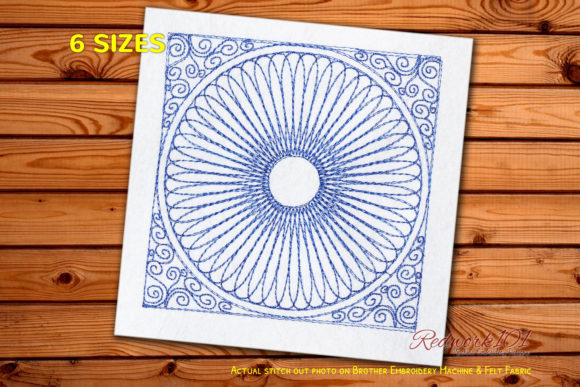
Upon loading the digital embroidery file, the immediate impression is one of clean, intentional minimalism. The title suggests a "Redwork" style, which historically refers to single-color stitching, often in red, but in modern custom apparel, this usually implies a monochromatic or high-contrast linear aesthetic. The design falls under the Mandala category, yet it avoids the overwhelming density often associated with complex mandalas. Instead, it offers a balanced, circular layout that feels both decorative and grounded.
The mood of this piece is versatile. It strikes a chord between rustic charm and modern bohemian chic. For a boutique brand targeting customers who appreciate handmade quality, this design hits the sweet spot. It is not overly cute or childish, nor is it aggressively bold. It possesses a feminine, organic energy that works exceptionally well on cozy seasonal apparel. The optional box stitch mentioned in the product notes adds an interesting layer of customization; including it frames the mandala like a patch, while skipping it allows the round motif to float more freely on the fabric.
Fabric Compatibility and Color Strategy
One of the most critical aspects of selecting a design for a small shop product line is how it interacts with different fabric textures and colors. I tested the visual potential of the Round Design Redwork Design across several common sweatshirt bases.
- Neutral Sweatshirts: On heather grey or oatmeal fleece, this design shines. The linear nature of the redwork style allows the texture of the fleece to peek through the stitches, creating a sophisticated, integrated look rather than a heavy plastic-like coverage.
- Dark Fabric: If you are using navy, charcoal, or black hoodies, the contrast becomes the star. Since the product description notes that the outer box color often differs, this is your opportunity to introduce a secondary thread color that pops against the dark background, enhancing the finished product's visual depth.
- Pastel Colors: For spring collections featuring blush pink or sage green hoodies, this design feels incredibly soft and inviting. It maintains a lightness that prevents the garment from looking weighed down.
- Oversized Hoodies: The circular symmetry of the design complements the loose drape of oversized fits perfectly. Whether placed on the chest or as a large back print, the round shape mirrors the natural curves of the body and the hood.
When selecting thread colors, remember that the "Redwork" label is a style suggestion, not a rule. For a premium feel, consider using matte cotton threads instead of high-sheen polyester to reduce glare and enhance that handmade, earthy vibe.
Technical Execution and Stitching Concerns
Transitioning from aesthetics to technical execution, there are several factors an Etsy seller or production house must consider before running this design commercially. While the specific stitch count and exact hoop dimensions were not provided in the initial data, these are vital details you must verify before purchasing or production.
Stitch Density and Fabric Thickness: Sweatshirt fleece is thick, often requiring a higher tension setting and robust needle choice. Because this is a redwork-style design, it likely relies on running stitches or light satin columns rather than dense fill stitches. This is generally excellent for thick fabrics as it reduces puckering. However, you must ensure the stitch density is sufficient to cover the fleece loops without the base fabric showing through awkwardly. If the design is too sparse, it may look unfinished on heavy-weight garments.
Stabilizer Choice: For a project like this, a cut-away stabilizer is non-negotiable. Even if the design feels light, the stretch and recovery of sweatshirt fabric can distort circular designs over time if only tear-away stabilizer is used. A medium-weight cut-away will ensure the Round Design Redwork Design retains its shape wash after wash.
Readability and Sizing: If you plan to use this as a small chest logo, check the smallest details within the mandala pattern. Intricate lines in redwork designs can merge together if scaled down too far. Always stitch a test sample on your actual garment stock to confirm that the fine lines remain distinct and readable.
Placement Strategies for Maximum Impact
The versatility of this embroidery file allows for creative placement strategies that can elevate your brand identity. Here is how I would deploy this design for a cohesive collection:
- Chest Placement: The classic left-chest position works well for a subtle, branded look. This is ideal for lifestyle product photography where the focus is on the model's face, with the embroidery serving as a quiet mark of quality.
- Sleeve Accents: Placing the design on the forearm of an oversized hoodie creates a trendy, streetwear-inspired look. This is particularly effective if you skip the optional outer box, letting the circle sit cleanly on the sleeve.
- Back Designs: Scaled up, this mandala makes a stunning statement on the back of a jacket or heavy hoodie. The radial symmetry draws the eye and provides a large canvas for showcasing thread work.
- Mockup Previews: When creating printable mockup assets for your online store, ensure the lighting highlights the texture of the stitches. This design relies on line work, so flat lighting might make it look like a print rather than embroidery.
Commercial Viability and Brand Value
Ultimately, the decision to use a specific design comes down to ROI and brand perception. Does the Round Design Redwork Design justify the price point of a premium sweatshirt? Absolutely. In a market saturated with generic prints, embroidered details signal higher value to the consumer. The tactile nature of the stitching builds buyer trust and reinforces the narrative of a handmade product.
This design supports strong visual recognition. The circular motif is memorable and easily identifiable, which aids in building a cohesive brand identity across social media and packaging. Furthermore, because the design is adaptable—allowing you to change thread colors or include/exclude the border—it offers flexibility for seasonal drops without needing to purchase entirely new design assets.
However, a word of caution regarding commercial use: always double-check the license terms associated with the file. Ensure that the commercial embroidery rights allow for unlimited production runs if you are scaling your small business. Additionally, since the file format was not specified, confirm that you have the correct version (PES, DST, EXP, etc.) for your specific machine setup to avoid digitizing errors.
Final Verdict
The Round Design Redwork Design is a standout choice for boutique apparel decorators looking to add a touch of artisanal flair to their collections. Its balance of simplicity and detail makes it suitable for a wide range of demographics, from young creatives to lovers of rustic home styles. By paying attention to stabilizer choices, thread contrasts, and strategic placement, you can transform this digital file into a best-selling physical product. It is a design that respects the fabric it sits on, enhancing the garment rather than overpowering it, which is the hallmark of truly great embroidery.