Elephant in Mandala Style: A Designer's Review
As an embroidery designer who spends hours digitizing and testing files for commercial use, I know that the difference between a good download and a great one often comes down to how the design behaves on actual fabric. Recently, I evaluated the Elephant in Mandala Style available on Creative Fabrica to see if it holds up for real-world projects. This isn't just about how it looks on a screen; it is about whether this machine embroidery design can survive the rigors of a customer order, from a heavy tote bag to a delicate baby blanket.
First Impressions and Visual Mood
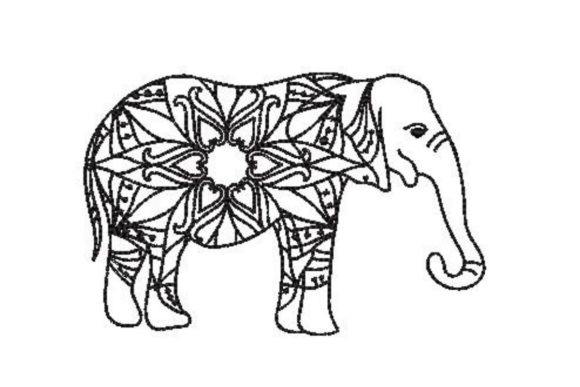
The first thing that strikes you about the Elephant in Mandala Style is its intricate balance between spiritual symbolism and decorative art. The mandala aesthetic wraps around the elephant silhouette, creating a sense of movement and depth that flat designs often lack. For designers looking to add a bohemian or zen vibe to their collections, this visual mood is perfect. The level of detail suggests a thoughtful approach to layering, which is crucial when you are trying to create a finished product that feels high-end rather than mass-produced.
When considering this for a new line of custom apparel or home decor, the design personality leans towards elegance and mindfulness. It naturally fits projects where the embroidery is the focal point, such as the center of a pillow cover or the chest of a sweatshirt. The decorative appeal is strong enough to stand alone without needing additional text or embellishments, which saves time during the production process.
Performance in Real Embroidery Projects
In my evaluation for potential commercial use, I considered how this embroidery file would perform across various substrates. For tote bag designs, the dense nature of a mandala often provides excellent coverage on canvas or cotton blends. Similarly, for sweatshirt embroidery, the design offers enough visual weight to look substantial on thicker fleece without getting lost in the texture.
However, versatility is key for small business owners. This design could easily transition into nursery decor, perhaps stitched onto a soft baby blanket, provided the stitch count and density are appropriate for sensitive skin. It also holds promise as an embroidered patch if hooped correctly on a stable backing. For those selling on Etsy or at craft fairs, the unique combination of an animal motif with geometric patterns helps products stand out in a crowded marketplace of generic florals and monograms.
When thinking about commercial embroidery for boutique merchandise, the Elephant in Mandala Style offers a premium look that can justify a higher price point. Whether applied to an apron for a cooking enthusiast or a cap for a festival-goer, the design adds a layer of artistic value that buyers appreciate in handmade goods.
Practical Considerations for Stitching
While the visual potential is high, practical execution requires careful planning. One major factor to consider is the hoop size. Mandala designs often have a wide diameter due to their circular nature. Before committing to a large production run, you must confirm that the specific file format you download fits within your machine's maximum hoop capacity. If you are working with smaller hoops, you may need to check if the design is available in split formats or resized versions.
Stitch density is another critical element. Mandalas can sometimes be very dense, which is beautiful but can cause puckering on stretchy fabrics like jersey knits. When testing this on a dark fabric, you must ensure the underlay is sufficient to prevent the background color from showing through the lighter thread colors. Conversely, on light fabrics, shadowing from dense stitching can sometimes be an issue if the stabilizer isn't robust enough.
For curved surfaces like caps, the layered details of a mandala can be tricky. The stiffness required to keep the shape might conflict with the flexibility needed for the hat to sit comfortably. In these cases, using a high-quality cut-away stabilizer is non-negotiable. Additionally, if the design includes tiny lettering or extremely fine running stitches within the mandala pattern, these might not stitch out cleanly on textured towels or rough canvas. Always inspect small details after stitching a test sample.
Enhancing Product Value and Brand Trust
Using a distinctive design like the Elephant in Mandala Style can significantly affect your product value. Customers associate complex, well-executed embroidery with quality craftsmanship. When your handmade product features such a detailed motif, it enhances buyer trust and perceived value. This is particularly important for creative entrepreneurs building a brand identity around mindfulness, nature, or artisanal quality.
Furthermore, the visual appeal of this design translates well into printable mockups for online listings. High-contrast images of the elephant against various fabric textures can drive customer engagement and click-through rates. Consistency in using such high-quality design assets helps maintain brand consistency across your shop, making your store look professional and curated.
Essential Testing and Licensing Notes
Before launching any product featuring this design, rigorous testing is essential. I recommend the following steps:
- Test on scrap fabric: Always stitch a sample on the exact material you plan to sell to check for puckering or registration issues.
- Check thread color contrast: Ensure your chosen palette highlights the mandala layers effectively, especially on dark or vibrant fabrics.
- Review stitch density: Look for areas that might be too thick for lightweight materials and adjust tension or stabilizer accordingly.
- Confirm hoop size: Verify the dimensions match your equipment capabilities.
- Compare mockups: Visualize the design on both light and dark backgrounds to ensure versatility.
- Use proper stabilizer: Match the stabilizer type to the fabric weight and stretch.
Finally, and perhaps most importantly, always confirm file details and licensing terms on the Creative Fabrica product page before selling finished items. The description notes that this is a digitized design intended to stitch out wonderfully, but it does not explicitly list stitch counts, specific file formats (like PES, DST, or JEF), or exact license limitations for commercial use in the brief summary provided. As a professional, you must verify these details directly on the source page to ensure you are compliant with the creator's terms regarding commercial embroidery and resale rights.
In conclusion, the Elephant in Mandala Style presents a compelling option for designers seeking to elevate their personalized gift offerings. With careful attention to fabric choice, stabilization, and licensing verification, this digital embroidery file has the potential to become a staple in a successful handmade shop's inventory.